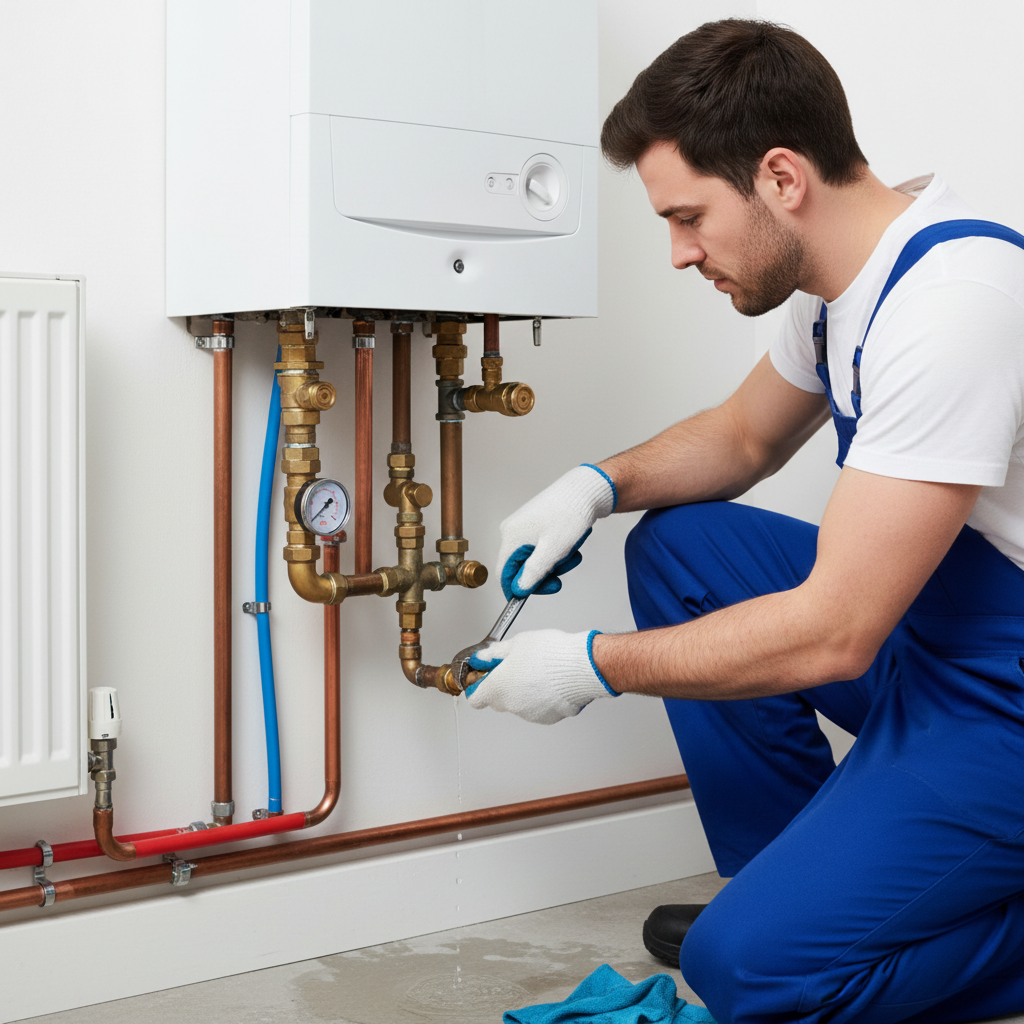
A burst pipe is a plumbing emergency. Here's exactly what to do in the first 10 minutes to minimise damage to your home.
Act Fast: Your First Steps When a Pipe Bursts
A burst pipe can cause thousands of pounds worth of damage within minutes. Knowing exactly what to do in those critical first moments can mean the difference between a manageable repair and a full-scale flood. Stay calm, act quickly, and follow these steps.
Step 1: Shut Off the Water Supply Immediately
The very first thing you should do is turn off your stopcock. This is the main water shut-off valve for your property, usually found under the kitchen sink, in a cupboard near the front door, or beneath the stairs.
Turn the valve clockwise until it stops. This will cut the water supply to your home and prevent further flooding from the burst pipe.
If you can't locate your stopcock, there is usually an external stop valve beneath a small metal cover near your property boundary on the pavement. You may need a stopcock key to operate it.
Step 2: Turn Off the Heating and Drain the System
Once the water is off, switch off your boiler and central heating system immediately. This reduces pressure throughout your pipework and helps prevent further damage.
Next, drain the remaining water from your pipes by turning on all cold taps in the property. This reduces the volume of water that can escape from the burst.
Do not run hot taps until you have also switched off your water heater or immersion heater, as heating an empty tank can be dangerous.
Step 3: Manage the Immediate Water Damage
While you wait for a plumber to arrive, take steps to protect your home from water damage. Acting quickly here can significantly reduce repair costs.
Here's what to do right away:
- Move furniture, electronics, and valuables away from the affected area
- Place towels, buckets, or bowls to catch dripping water
- Use a mop or wet vacuum to remove standing water from floors
- If water is near any electrical sockets or fuse boxes, switch off the electricity at the mains
- Take photos of all visible damage for your insurance claim
Never touch electrical appliances or switches if the area around them is wet. Water and electricity together are extremely dangerous.
Step 4: Identify and Contain the Burst if Possible
Once the water supply is off, try to locate the burst or cracked pipe. Look for visible splits, bulging sections, or areas where water is actively dripping.
A temporary pipe repair clamp or even heavy-duty waterproof tape can slow any residual leaking while you wait for a professional. These are available at most DIY stores and are worth keeping in your home toolkit.
Remember, these are temporary fixes only. A qualified plumber must carry out the permanent repair to ensure it is safe and watertight.
Step 5: Call a Gas Safe or Qualified Plumber Right Away
Even after you have contained the immediate situation, a burst pipe is not a job for DIY fixes. Pipes can burst due to freezing, corrosion, high pressure, or age — and a professional will identify the underlying cause.
Attempting a full repair without the right tools and experience can lead to repeat failures, further flooding, or damage to other parts of your plumbing system. Always bring in a qualified professional as soon as possible.
Contact your home insurer to report the damage once the emergency is under control. Most policies cover burst pipe damage, but they will expect you to have acted promptly.
Need Professional Help?
Net-Plumbers are London's trusted emergency plumbing specialists, available when you need us most. Our experienced team responds quickly to burst pipes, leaks, and all plumbing emergencies across London.
Call us on 0330 520 1642 or book online and we'll get an engineer to you as fast as possible.
Need Help?
Got a plumbing or heating issue?
Gas Safe engineers available 24/7 across London. No call-out fee.